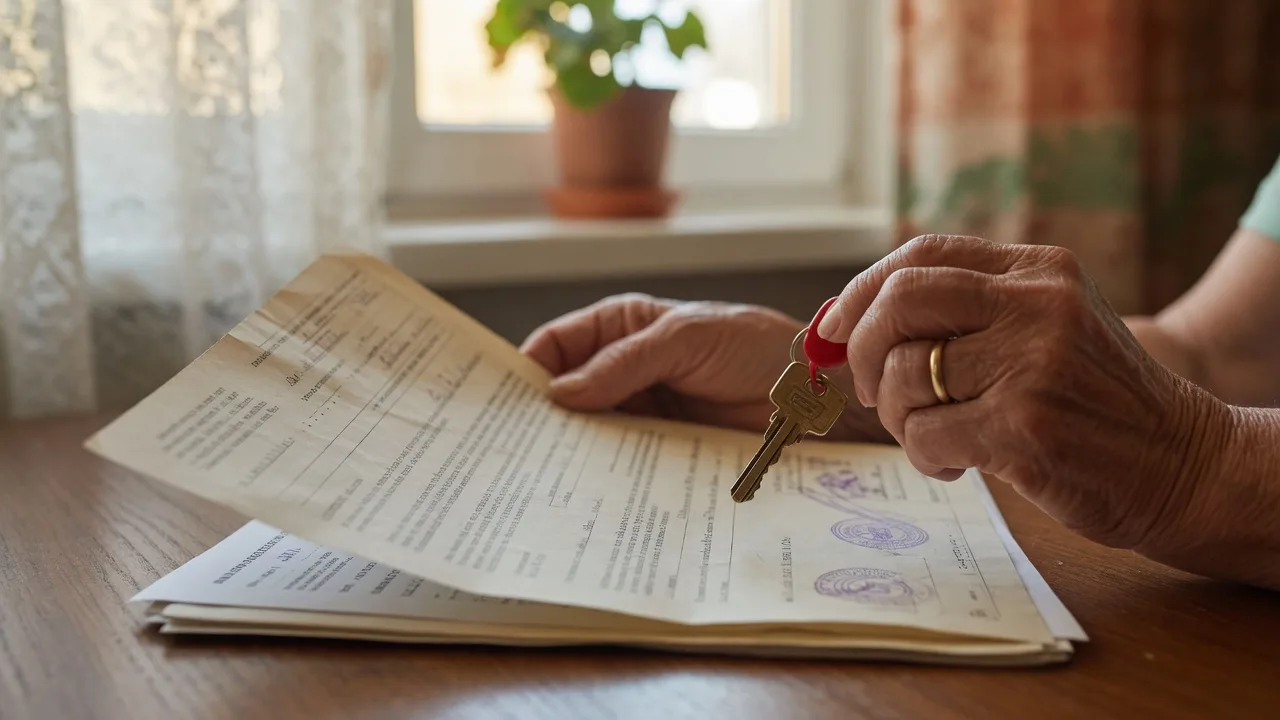
Real estate fraud targeting seniors is one of the fastest-growing crimes in the United States. As the population ages, scammers are becoming more sophisticated in their tactics, and the consequences for victims and their families can be devastating. Understanding how these schemes work is the first step in protecting the people you love most.
THE SCALE OF THE PROBLEM
According to the National Council on Aging, financial exploitation costs older Americans an estimated $28.3 billion each year. Real estate fraud — including deed theft, equity theft, and predatory lending — is among the most damaging because a home is often a senior's most valuable asset. Once a home is compromised, it can be incredibly difficult and expensive to recover.
COMMON TYPES OF SENIOR REAL ESTATE FRAUD
Deed Theft
Scammers secretly transfer the title of a senior's home into their own name by forging documents and filing them with the county recorder's office. The victim often doesn't know it has happened until they receive a notice of default or an eviction.
Foreclosure Rescue Scams
When a senior falls behind on mortgage payments, fraudsters may pose as foreclosure rescue companies, promising to save the home in exchange for upfront fees or by having the homeowner sign over the deed. In reality, they pocket the money or steal the property.
Predatory Lending
Unscrupulous lenders target seniors with misleading refinancing offers, pressuring them into high-interest loans or reverse mortgages they don't understand. These products often come with hidden fees and can result in the senior losing their home.
Power of Attorney Abuse
In some cases, a trusted individual — a family member, caregiver, or acquaintance — uses a power of attorney to sell the senior's home or take out loans against it without the senior's knowledge or consent.
Contractor and Home Repair Fraud
Contractors may target seniors with aggressive door-to-door sales pitches for unnecessary home repairs, pressuring them into signing expensive contracts or even signing over a lien on their property.
WARNING SIGNS TO WATCH FOR
- Unfamiliar documents arriving in the mail related to the property
- Sudden changes to wills, deeds, or powers of attorney
- A new "friend" or caregiver who seems overly interested in the senior's finances
- Unexplained withdrawals, transfers, or new lines of credit
- Notices of default, foreclosure, or liens the homeowner was not aware of
- Pressure to act quickly or sign documents without reading them
HOW FAMILIES CAN PROTECT THEIR LOVED ONES
1. Stay Involved
Keep open communication with your elderly family members about their finances and property. Regular check-ins can help you spot changes before they become crises.
2. Review Property Records
Periodically check your county recorder's office to make sure the title to your loved one's home hasn't been transferred without their knowledge. Many counties offer free online tools to look up property ownership.
3. Limit Power of Attorney Access
If a power of attorney is necessary, make sure it is narrowly defined and only granted to someone you trust completely. Consider having an attorney review it and set up safeguards.
4. Connect with a Senior Real Estate Specialist
A certified Senior Real Estate Specialist (SRES) understands the unique challenges seniors face with housing decisions. Whether it's downsizing, navigating probate, or protecting against fraud, having a knowledgeable advocate on your side makes all the difference.
5. Report Suspected Fraud Immediately
If you suspect your loved one has been a victim of real estate fraud, contact local law enforcement, your county recorder's office, and the California Attorney General's office right away. Time is critical in these situations.
"Clients often tell me my greatest strength is my ability to calmly navigate challenges, solve problems, and keep even the most complex transactions moving smoothly toward a successful closing."
— Tina Hambleton
WHAT TO DO IF IT HAPPENS
If fraud has already occurred, don't panic — but act quickly. Contact an attorney who specializes in real estate fraud, file a police report, and reach out to your county recorder's office to place a fraud alert on the property. In many cases, victims have legal recourse, but speed is essential.
THE BOTTOM LINE
Our seniors deserve to feel safe in their homes. By staying informed, staying involved, and working with professionals who genuinely care about their well-being, families can protect their loved ones from these devastating schemes.
If you or someone you know needs guidance navigating senior real estate issues — whether it's downsizing, probate, trust administration, or protecting against fraud — reach out for a free consultation. Experience matters, and when it comes to protecting your family's most valuable asset, who you hire matters.