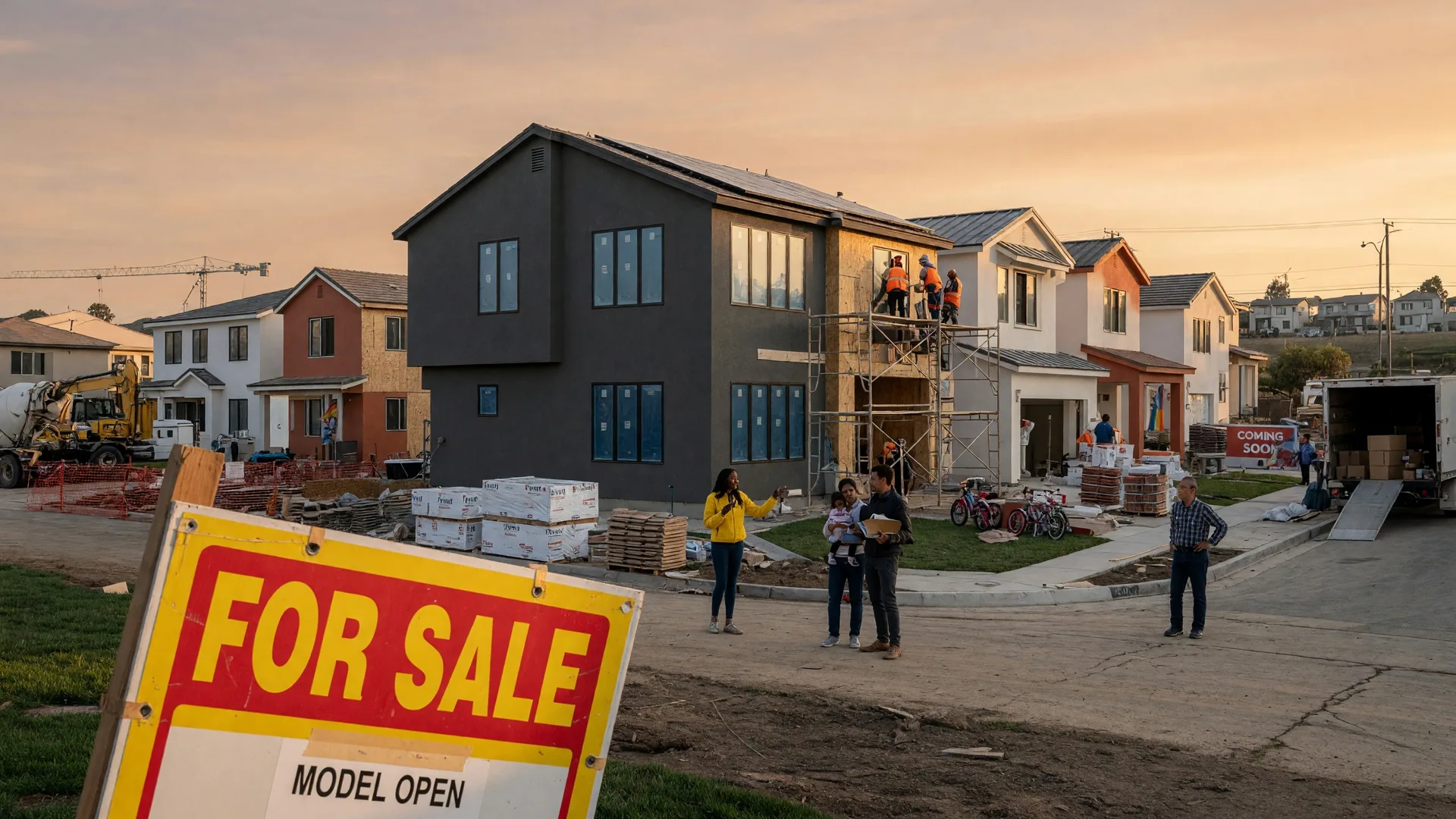
In July 2026, a massive bipartisan breakthrough reshaped the American real estate landscape. The 21st Century ROAD to Housing Act officially became law. As the largest and most sweeping housing package passed in over a decade, this landmark legislation combines nearly 50 individual measures aimed at tackling the nation's severe housing shortage and affordability crisis.
But what does this mean for you if you're looking to buy or sell a home? While the law won't change home prices overnight, it shifts the ground rules of the market. Here is a breakdown of how the 21st Century ROAD to Housing Act impacts buyers and sellers.
WHAT IS THE 21ST CENTURY ROAD TO HOUSING ACT?
The legislation is designed to aggressively target the root causes of the housing crisis: limited supply, rigid regulatory red tape, and intense corporate competition. Key pillars of the new law include:
- Cutting Construction Red Tape: Removing outdated regulatory barriers, streamlining environmental reviews, and establishing pre-approved home designs to accelerate new home building.
- Cracking Down on Corporate Landlords: Placing a cap on large institutional investors (those owning 350 or more single-family homes) to stop them from buying up existing family homes.
- Boosting Small-Dollar Mortgages: Launching HUD pilot programs to make it easier for lenders to offer mortgages under $100,000.
- Unlocking New Housing Types: Modernizing standards for manufactured and modular homes to make them easier to finance, build, and sell.
HOW IT AFFECTS BUYERS: A FIGHTING CHANCE
For years, everyday buyers — especially first-time buyers and families of color — have felt locked out of the market due to sky-high prices and corporate buyers bidding with all-cash offers. The new law aims to level the playing field.
Less Competition from Corporate Giants
By restricting institutional investors who own 350+ properties from buying up existing single-family homes, the law reduces the number of deep-pocketed corporate competitors in the market. Buyers will have a fairer shot at securing entry-level homes without being outbid by Wall Street.
More Affordable Inventory
The act incentivizes the conversion of empty commercial spaces (like vacant strip malls or warehouses) into "attainable" residential units. Combined with streamlined rules for modular and manufactured housing, buyers will gradually see a more diverse, affordable inventory of homes on the market.
Accessible Financing for Lower-Priced Homes
Finding a mortgage for a home under $100,000 has historically been incredibly difficult because lenders find them less profitable. The Act's small-dollar mortgage pilot program and support for local community banks will open up financing for lower-priced, entry-level properties.
HOW IT AFFECTS SELLERS: SHIFTING DEMANDS
If you're planning to sell your home, the ROAD to Housing Act changes the dynamics of who is buying and how you can prepare your property for sale.
A Shift in the Buyer Pool
If your home is an entry-level single-family property, you may see fewer offers from giant real estate investment trusts (REITs). However, this is balanced by an influx of eager, newly qualified individual buyers who finally have access to small-dollar mortgages and local bank financing.
Higher Value for Aging Homes
The Act authorizes new pilot programs offering grants and forgivable loans to address home repairs and health hazards in aging properties. For homeowners with older houses, these funds can help update critical systems (like roofing, plumbing, or HVAC), increasing the home's market value before selling.
Easier Paths for Factory-Built Homes
If you own or want to sell a manufactured or modular home, the law eliminates outdated rules (like requiring a permanent chassis) and standardizes state certifications. This makes your property much easier for prospective buyers to finance and purchase.
SUMMARY: BUYERS VS. SELLERS IMPACT
| Feature | Impact on Buyers | Impact on Sellers |
|---|---|---|
| Institutional Investor Cap | Less bidding wars against massive corporate cash buyers | Shifting buyer pool from Wall Street back to local families |
| Small-Dollar Mortgages | Easier to secure loans for properties under $100,000 | Increased demand and liquidity for entry-level homes |
| Modernized Manufactured Housing | Access to cheaper, high-quality modular housing options | Easier to finance, title, and sell factory-built homes |
| Home Repair Grants | A higher supply of stabilized, well-maintained older homes | Financial help to repair aging structures before selling |
THE ROAD AHEAD
While the 21st Century ROAD to Housing Act is a monumental shift, housing development takes time. Experts agree that while the legislation sets the stage for a healthier, more balanced real estate market, the physical construction of new homes and the rollout of new mortgage programs will materialize gradually.
Whether you are looking to buy your first home or list your current property, staying informed on these policy shifts will help you make smarter decisions in this evolving market.