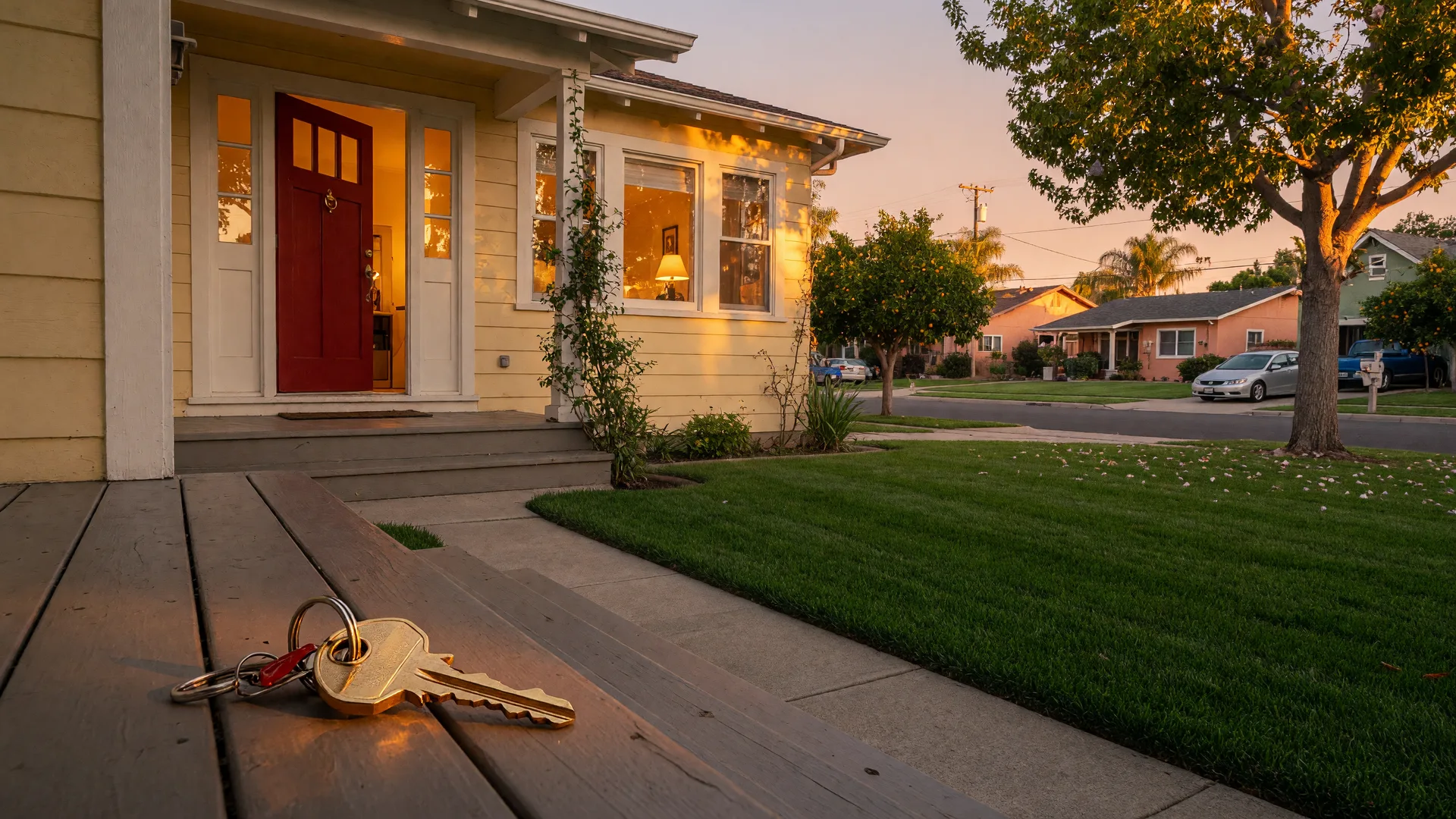
Did you know the typical homeowner is about 43 times wealthier than the typical renter?
It's a striking number, and it's real. According to an analysis by the National Association of REALTORS of Federal Reserve data, the typical American homeowner has a net worth of roughly $430,000, while the typical renter has a net worth of about $10,000. That's not a typo: homeowners have built wealth at a rate that renters simply haven't been able to match.
So why is the gap so massive? Let's break down what's really going on.
THE POWER OF EQUITY
When you rent, your monthly payment goes to your landlord. When you own, that same payment quietly builds something back for you: equity. Every mortgage payment moves you closer to owning more of your home, and over time that adds up in a big way.
For most Americans, their home is their single largest asset. And unlike a car or other purchases that lose value, real estate in desirable areas like Riverside and the Inland Empire has a long history of appreciating over time. You're not just paying for a place to live, you're investing in an asset that can grow.
MORTGAGE PAYMENTS ARE A FORCED SAVINGS PLAN
Here's a simple way to think about it: renting is paying for shelter. Owning is paying for shelter plus building savings. Part of every mortgage payment goes toward the principal, the money you owe on the home, which means you're essentially paying yourself, even if it doesn't feel that way month to month.
Homeowners also benefit from a fixed monthly payment over time. While rents tend to climb year after year, a homeowner with a fixed-rate mortgage knows exactly what their payment will be decades from now. That stability makes it easier to save, invest, and plan for the future.
TAX ADVANTAGES AND LONG-TERM GROWTH
Homeownership comes with real financial advantages that renters miss out on. Mortgage interest deductions, property tax benefits, and the fact that a primary home's capital gains can be excluded from taxes, up to $250,000 for single filers and $500,000 for married couples, all help homeowners keep more of what they earn.
Over time, these advantages compound. It's why studies consistently show that homeowners' wealth grows faster than renters' wealth at every age, from first-time buyers in their 30s to retirees in their 70s.
THE RENTER'S DILEMMA
None of this is to say renting is always wrong. Renting makes sense for people who need flexibility, are saving for a down payment, or aren't ready for the responsibility of ownership yet. But here's the catch: as the data shows, while you're renting, the gap between your net worth and a homeowner's net worth tends to widen, not shrink.
Every year you rent is a year that equity, appreciation, and tax advantages go to someone else, often the landlord. That's the real cost of renting, and it's one most people never see on a receipt.
WHAT THIS MEANS FOR YOU
If you're on the fence about buying, the numbers are compelling. You don't need a perfect credit score or a huge down payment to get started: there are programs that can help, especially for first-time buyers in California. What you need is a plan and the right guidance.
The truth is, homeownership is one of the most powerful wealth-building tools available to the average American family. It's how generations of families, in Riverside and across the country, have built financial security, one payment at a time.
"My mission is to build lasting relationships by putting my clients' needs first, delivering trusted advice, and exceeding expectations through every step of the real estate journey."
- Tina Hambleton
If you're thinking about buying your first home or exploring whether homeownership makes sense for you, I'd love to help you understand your options. With over 22 years in the Riverside market, I've helped hundreds of families take this step, and I can help you too.
Experience matters. Who you hire matters.